

How Trusted Guidance Changes Outcomes
Youth who leave the foster care system often do so with little more than a few belongings and limited life experience. Without family support, the risk of homelessness skyrockets. A mentor provides not only emotional guidance but also practical help—teaching youth how to find safe housing, manage money, and plan for the future. This steady relationship offers a lifeline when the system steps back.
The Link Between Mentorship and Housing Stability

Research shows that youth with at least one consistent, supportive adult are significantly less likely to experience homelessness. Mentors fill a crucial gap by offering both accountability and care. They help youth identify safe housing options, connect them to programs like transitional housing or rental assistance, and teach self-advocacy when dealing with landlords or agencies.
Building Essential Life Skills
Mentors help youth develop the practical skills necessary to maintain independence. These include budgeting, meal planning, time management, and communication. Beyond survival skills, they also model responsibility and problem-solving, which are vital in sustaining stable housing. > “My mentor taught me how to save for rent and helped me apply for my first apartment. I wouldn’t have made it on my own.”
Emotional Support and Resilience
Homelessness prevention isn’t just about access to housing—it’s about emotional stability. Many youth in the foster care system struggle with fear of abandonment or lack of trust. Mentors provide reassurance, empathy, and encouragement through challenges, which can reduce the anxiety and hopelessness that lead to crisis situations.
Connecting Youth to Community Resources
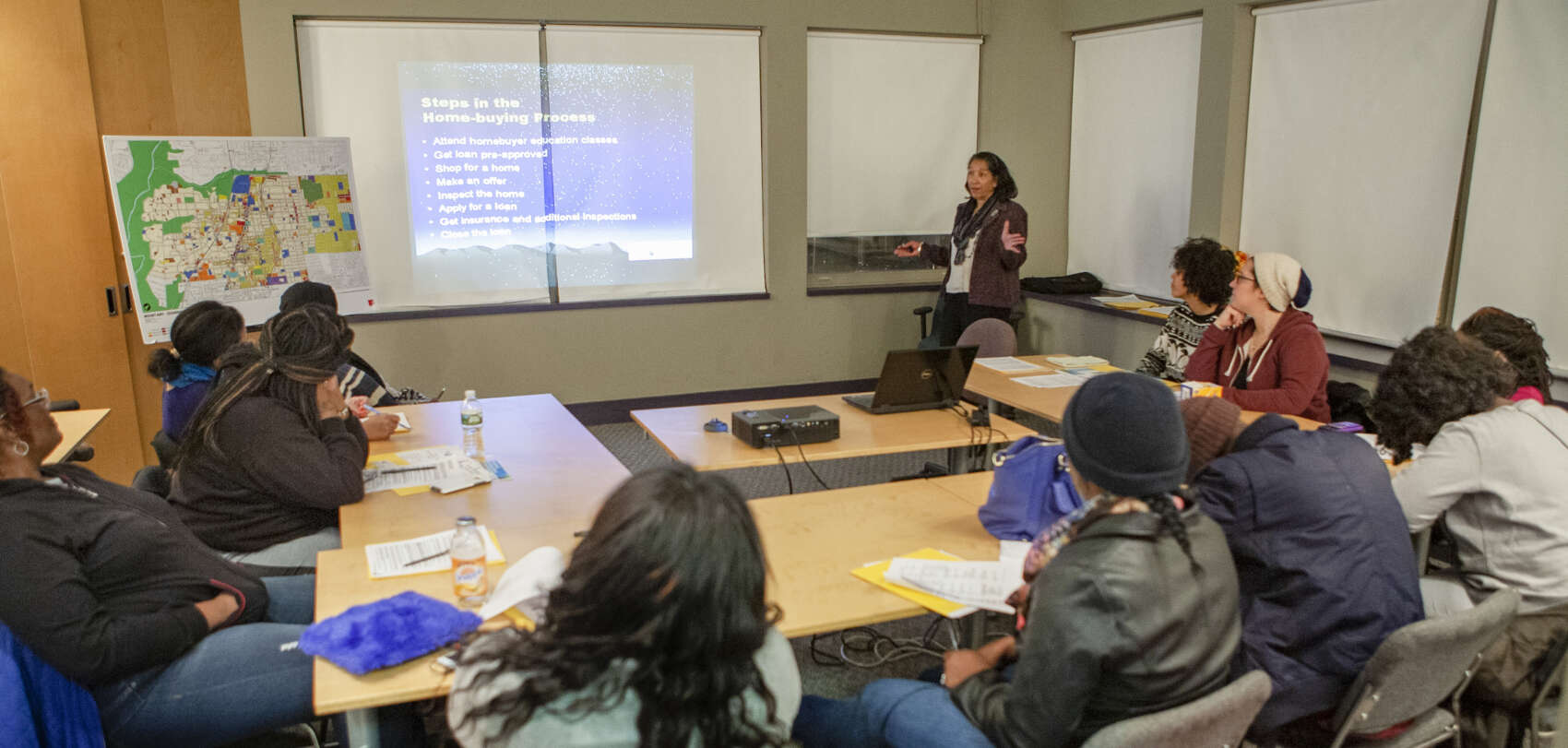
Mentors act as bridges between youth and community supports. They connect youth to local housing programs, job opportunities, education resources, and financial assistance. By helping youth build these networks, mentors expand their safety net and reduce reliance on unstable systems.
Preventing Isolation After Aging Out
Isolation is a major factor in youth homelessness. Once youth leave foster care, they often lose access to social workers, caregivers, and peers. Mentors help fill that gap, maintaining consistent contact and ensuring youth don’t face adulthood alone. Regular check-ins and honest conversations can identify problems early, before they spiral into homelessness.
A Community Approach
Mentorship works best when supported by a strong community network. Nonprofits, churches, schools, and local agencies can all play a role in connecting mentors and youth. Creating structured programs that train mentors in trauma-informed care ensures both parties benefit and the relationship remains positive.

Final Thoughts: Connection Is Prevention
Preventing homelessness among youth in the foster care system starts with connection. Mentors don’t just teach life skills—they restore hope, trust, and belonging. Through guidance, empathy, and advocacy, mentors help youth transition into independence with confidence, stability, and a sense of community.